Equipment for Shallow Water Navigation with an Outboard
Executive Summary & Critical Safety Takeaways
Operating outboards in shallow coastal estuaries, sandbars, and mudflats requires specialized transom hardware and strict throttle discipline to prevent lower-unit catastrophic destruction or impeller overheat.
The Mechanical Dangers of Operating Outboards in Coastal Shallows
Navigating shallow inlets, tidal flats, and uncharted river mouths presents extreme mechanical risks for boat owners. Striking a submerged sandbar, submerged timber, or oyster bed at cruising speed can destroy lower unit gearboxes, shear propeller blades, or bend the prop shaft.
Essential Equipment for Shallow Water Maneuvering
1. Hydraulic Jack Plates
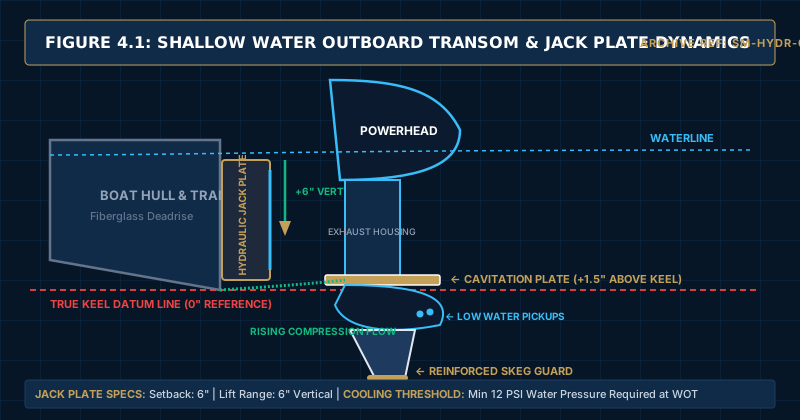
Standard power tilt and trim pivots the engine upward, which alters the thrust angle and can cause bow rise and loss of steerage. A hydraulic jack plate mounts between the transom and the outboard bracket, allowing the captain to lift the entire engine vertically by 4 to 8 inches while maintaining horizontal propulsion.
2. Stainless Steel Skeg Guards
The skeg is the sacrificial lower fin of an outboard motor that protects the propeller. Installing a heavy-gauge 316 marine stainless steel skeg guard reinforces this vulnerable area and prevents costly gear housing replacements.
3. Low-Water Pickup Intakes
When running in jacked-up positions, standard side water intakes may draw air, leading to catastrophic engine overheating within seconds. Installing low-water nose cone pickups on your lower unit ensures a steady stream of cooling water reaches the impeller even in mere inches of water.
Editorial Quality Assurance & Errata Reporting
SailingManuals maintains strict engineering accuracy protocols. If you identify an outdated torque specification, superseded OEM part number, or wish to submit a manufacturer service bulletin, please contact our review board.
Submit Technical Errata or OEM Bulletin →