Salmon Fishing Tactics & Critical Marine Knots
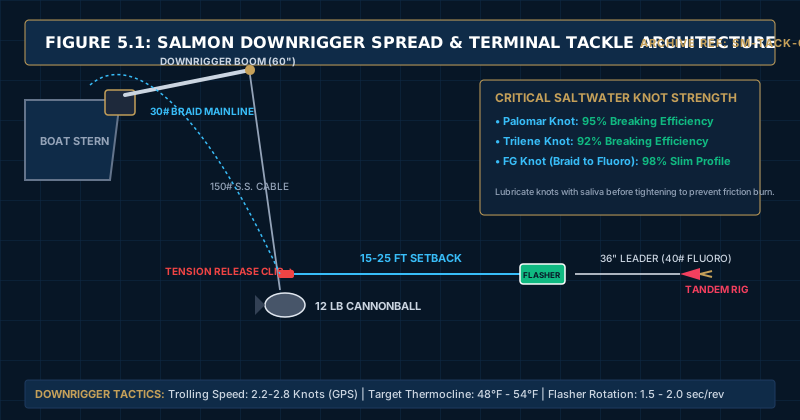
Seamanship Knot Tensile Ratings
Always moisten monofilament and fluorocarbon lines before setting knot tension. Dry-cinched knots generate frictional heat that degrades line strength by upwards of 40%.
Boat Management During Tidal Saltwater Fishing
Saltwater salmon trolling requires disciplined boat control, managing wind drift, and understanding how current rips concentrate baitfish along underwater drop-offs and reefs.
Downrigger Precision & Terminal Rigging
Deploying electric downriggers allows anglers to keep flashers and spoons precisely within the salmon strike zone without adding excessive sinker weight to the fishing rod. Ensuring your knots are tied with damp line and tested under tension prevents losing trophy fish at the boat gunwale.
Editorial Quality Assurance & Errata Reporting
SailingManuals maintains strict engineering accuracy protocols. If you identify an outdated torque specification, superseded OEM part number, or wish to submit a manufacturer service bulletin, please contact our review board.
Submit Technical Errata or OEM Bulletin →